The next step of this project is to make another variant by introducing one of the elements below.
They are more characteristic of contemporary games.
You can also incorporate the element in the current modified version if it makes sense.
Social Deduction
Mostly descending from Mafia/Werewolf, originally a psychology experiment.
They involve an informed minority (werewolves) against an uninformed majority (the villagers).
Commercial iterations like One Night Ultimate Werewolf, the Resistance, or Blood on the Clocktower generally involve different roles and mechanics that allow for more informed decisions, rather than just the players ability to lie and persuade.
Reality TV show like Traitors or The mole, or Among Us involve “traitor mechanics”, like saboteur or double agent and therefore social deduction.
Cooperation
Fully cooperative games have been a rarity until the success of Pandemic.
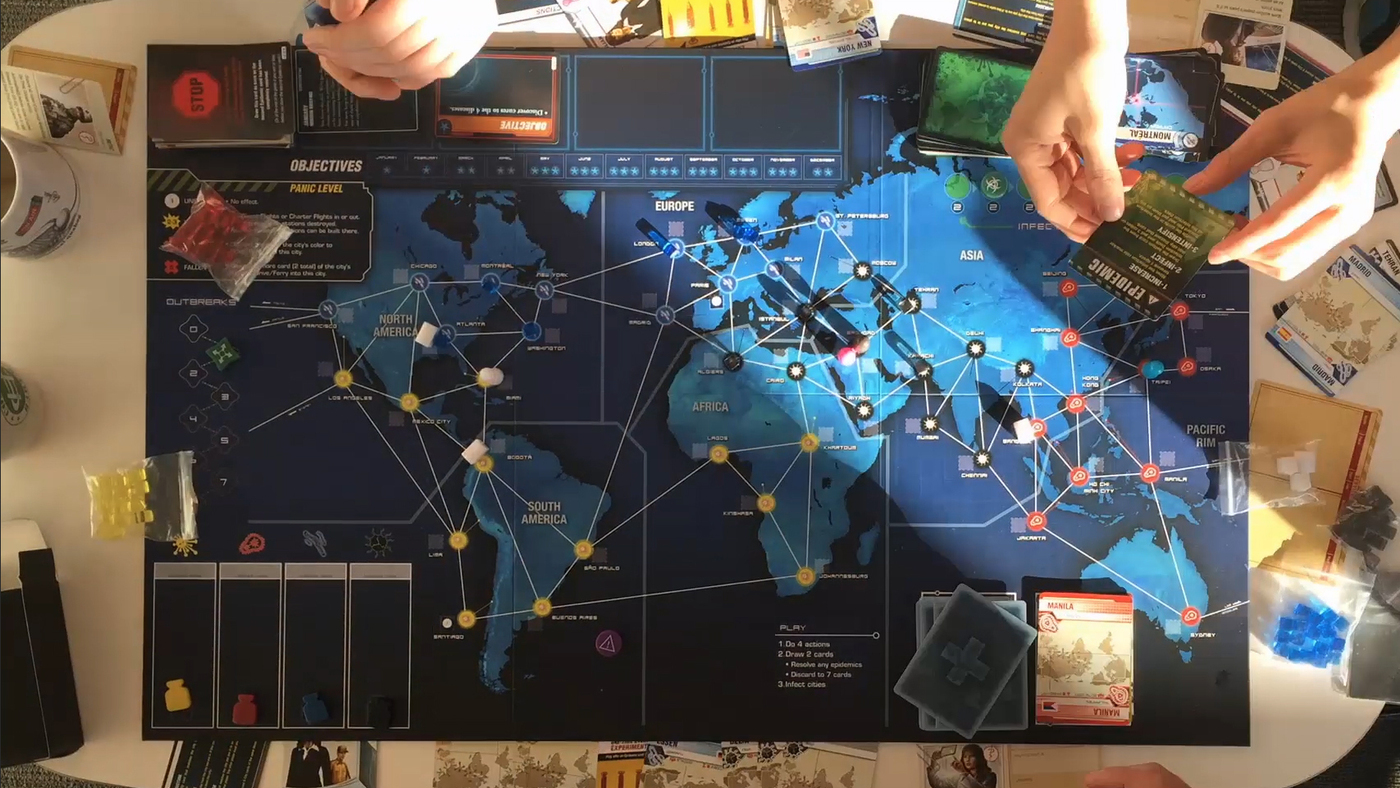
Typical challenges with co-op games:
– feels like a solitaire played together
– expert players can monopolize the game
– they can be complex due to some analog engine/algorithm “running” the game
– when are they too easy or too hard? What’s the emotional fallout of EVERYBODY losing?
Materials

Board games are made of objects whose visual and tactile qualities largely affect the experience of a game. Playing a game of GO with actual stones is not the same as playing it online with a friend.
Certain bits need to be three-dimensional to facilitate manipulation.


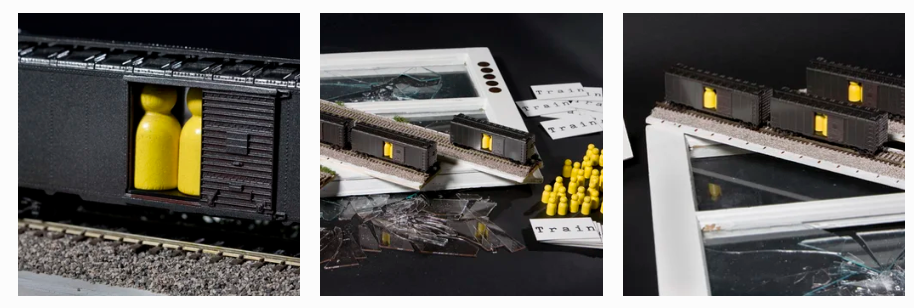
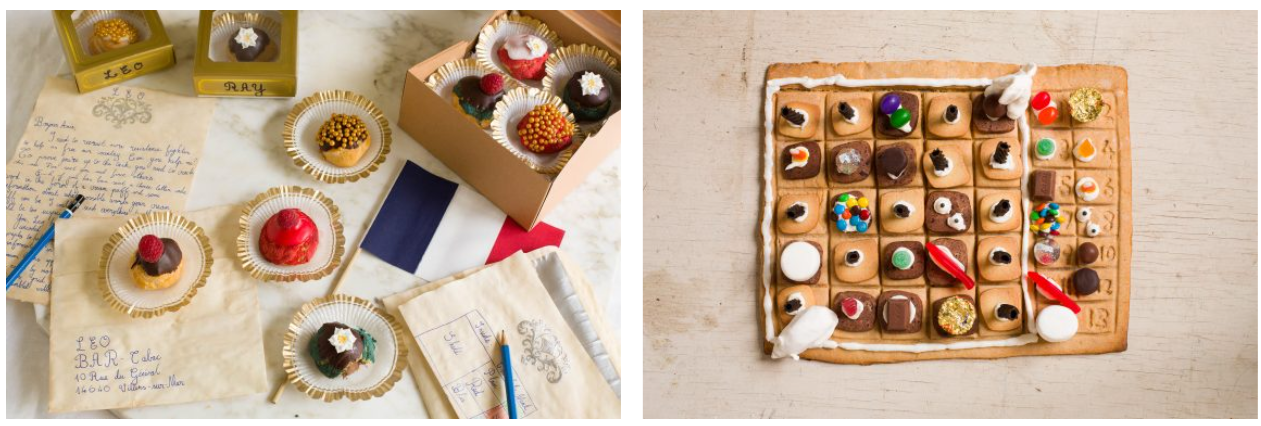
On the commercial sphere there is a renewed interest in unconventional component and dexterity games, traditionally only associated to younger people.
Playtime
These short games involve some of the elements above plus other mechanic you can choose as the element to incorporate.
Elements:
IP Adaptation
Asymmetry
Hidden information / memory
Elements:
Dice-as-resources, cards as board elements
Real-time actions
Cooperation
Elements:
Design
Dexterity
Elements
Social Deduction / bluffing
Roles / asymmetry
Element:
Non traditional component (Phone)
Social commentary